In what feels like a distant memory, last season’s bushfires ravaged the country - destroying billions of dollars worth of facilities. Longer and more destructive bushfire seasons are here to stay. Climate change is contributing to the acceleration of severe bushfires and asset protection and building maintenance needs to be top of mind for building owners to reduce the risk of drastic asset los
Read full article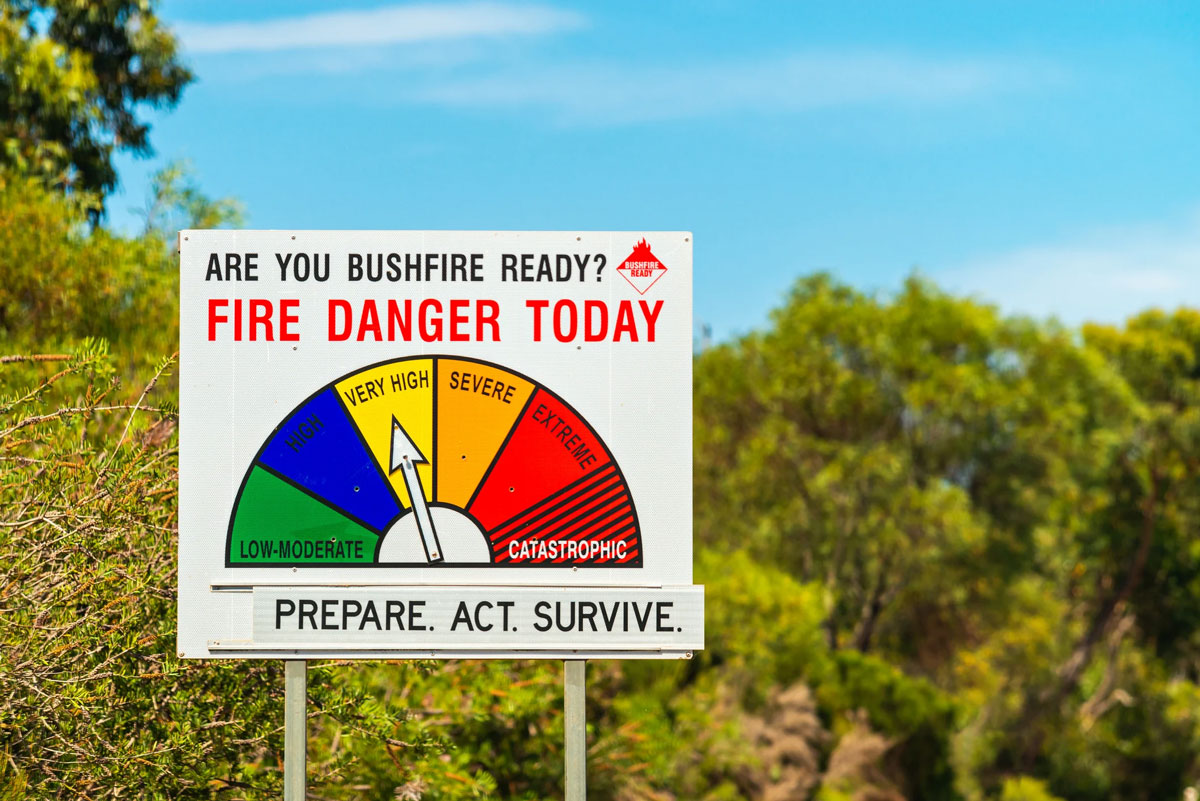
COVID has heightened awareness around the need to protect critical healthcare infrastructure which is worth billions of dollars in Australia. Poorly maintained equipment will affect the bottom line and most importantly doctor and patient safety, particularly in high risk environments such as ICU. Reactive, unplanned repairs (breakdowns) are the outcome of poorly protected or maintained equipment.
Read full article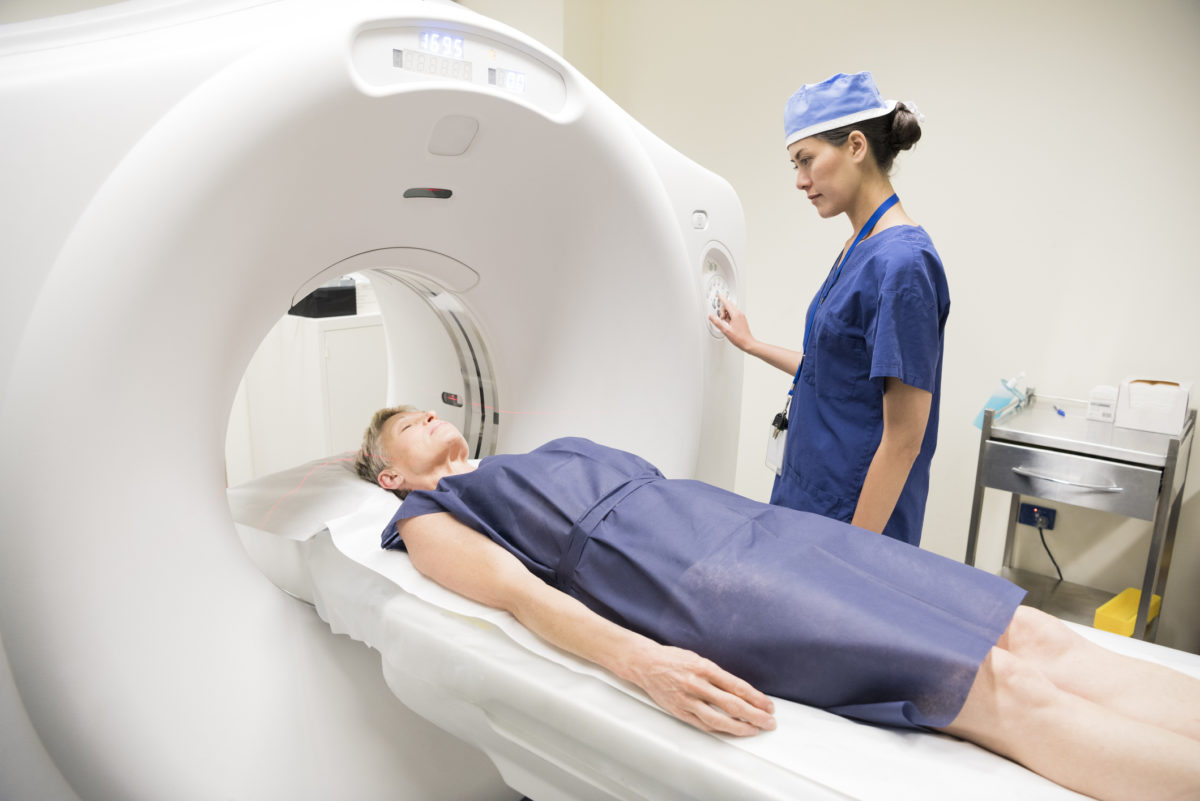
By Robert Westerhout, Compliance Manager – FireThe Building Code of Australia details the minimum design criteria for fire safety measures in a building. These requirements are based on the Available Safe Egress Time (ASET) being less than the Required Safe Egress Time (RSET). ASET is the time it takes from fire ignition for conditions to be untenable. RSET is the time it takes from fire ignitio
Read full article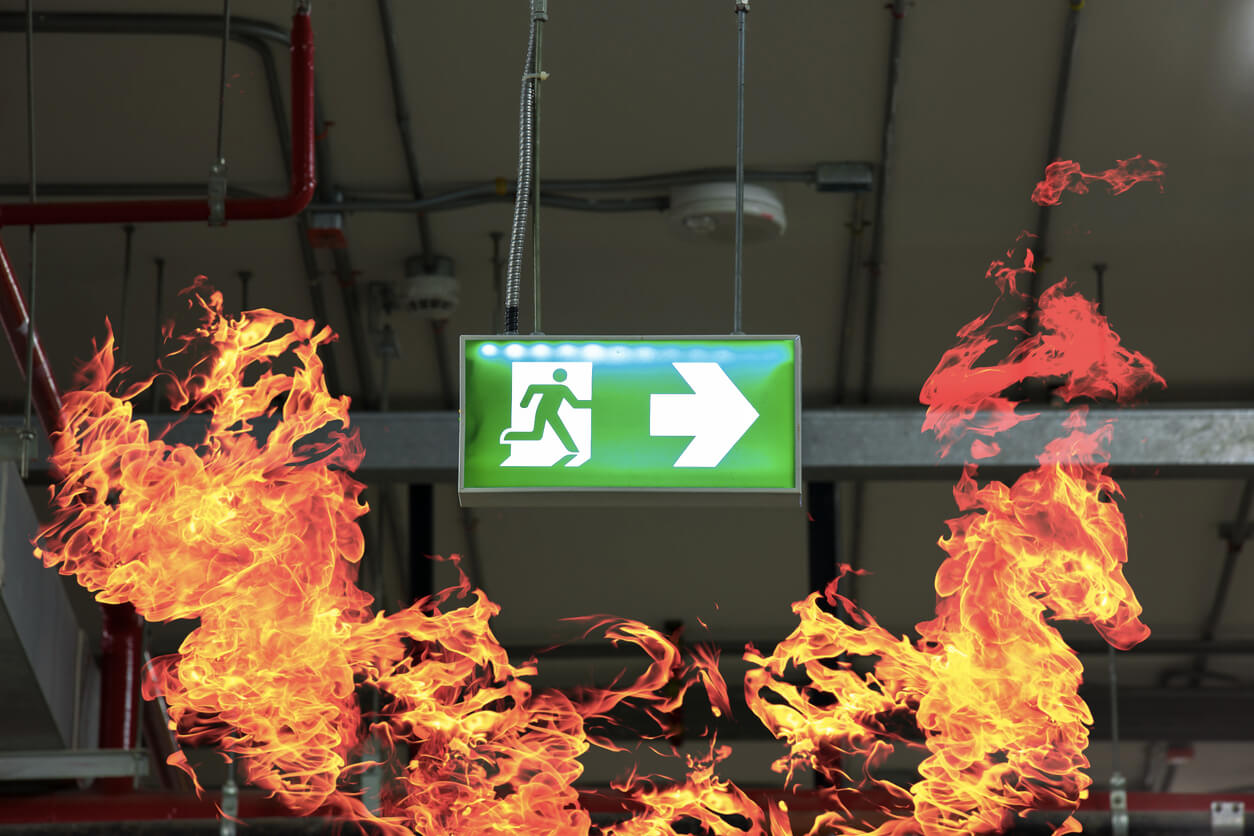
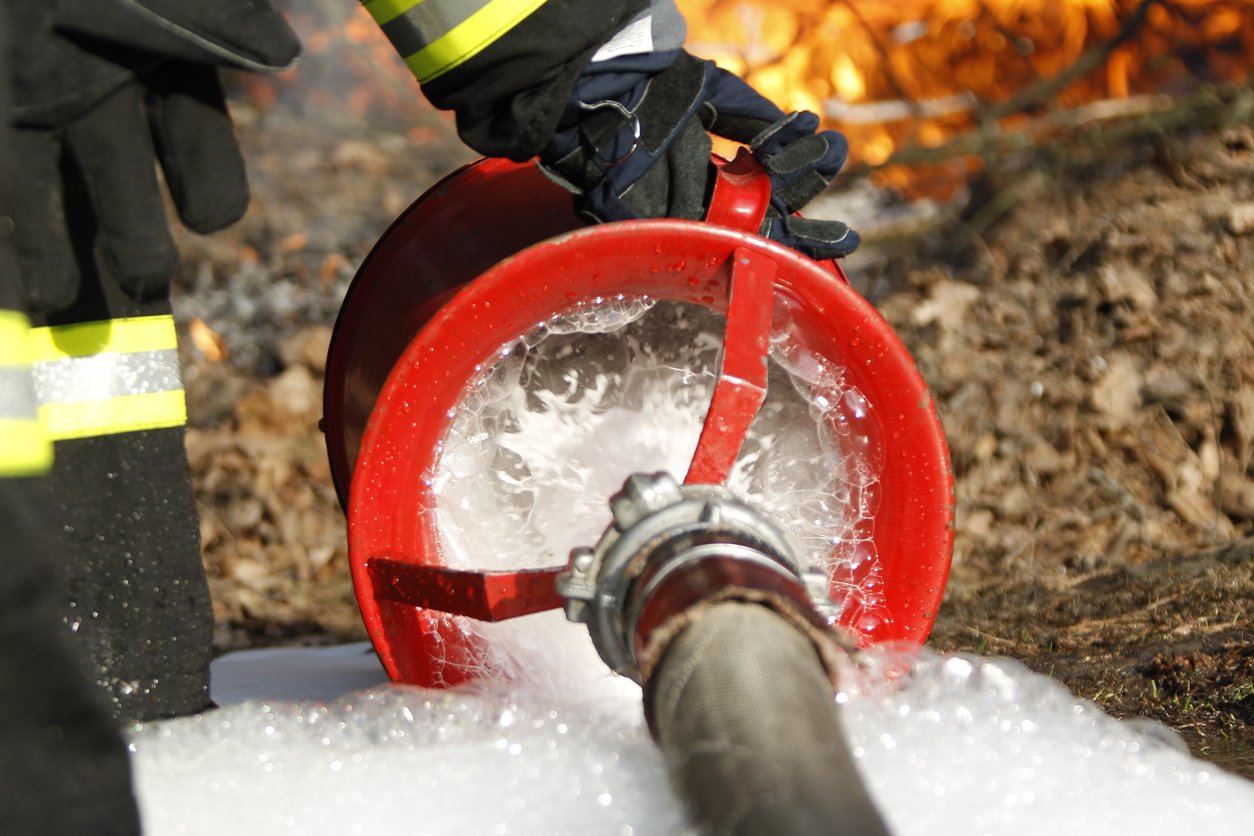
By Robert Westerhout, Compliance Manager Facility owners and managers have become increasingly aware about the dangers and ramifications associated with using the wrong fluorochemicals, which can have a significant impact on the environment and possibly human health. The most common question that is emerging is – should I use fluorinated foams such as Aqueous Film Forming Foams (AFFF), Film Fo
Read full article