
By Robert Westerhout, Compliance Manager – Fire
The Building Code of Australia details the minimum design criteria for fire safety measures in a building. These requirements are based on the Available Safe Egress Time (ASET) being less than the Required Safe Egress Time (RSET). ASET is the time it takes from fire ignition for conditions to be untenable. RSET is the time it takes from fire ignition for occupants to reach safety (external area of the building or a protected exit). If any part of fire safety measures is impaired this can reduce the gap between ASET and RSET.
Each state and territory legislate the requirements to maintain fire protection systems and equipment. AS1851-2012 is the Australian standard that is generally legislated to follow when maintaining these systems and associated equipment. The below list details each state and territories act and regulation that legislate the maintenance required for essential life safety measures.
| State / Territory | Building Act | Building Regulation |
|---|---|---|
| NSW | Environmental Planning and Assessment Act 1979 | Environmental Planning and Assessment Regulations 2000 |
| ACT | Emergencies Act 2004 | ACT Fire Brigade Policy FS-05 – Essential Safety Maintenance |
| NT | Fire and Emergency Act | Fire and Emergency Regulations |
| QLD | Fire Services 1990 | Building Fire Safety Regulations 2008 |
| SA | Development Act 2004 | Development Regulations 1993 and Ministers Specifications South Australia 76 |
| TAS | Building Act 2000 | Building Regulation 2004 amended 2013 |
| VIC | Building Act 1993 | Building Regulations 2018, Regulations 223 and 224 |
| WA | Building Act 2011 | Building Regulation 2012, Building Amendment Regulations |
Grosvenor Engineering Group advocates the below five step process to achieving fire compliance:
1) Baseline Data
Baseline data is the design and testing of data obtained from commissioning of fire protection systems and equipment. It is the benchmark for maintaining the minimum performance requirements of the fire system’s original design.
Examples include: cause and effect matrix, block plan, AS installed drawings, manufacturer’s documentation i.e. data sheets, penetrations registers and commissioning test documentation.
2) Preventative Maintenance – AS1851
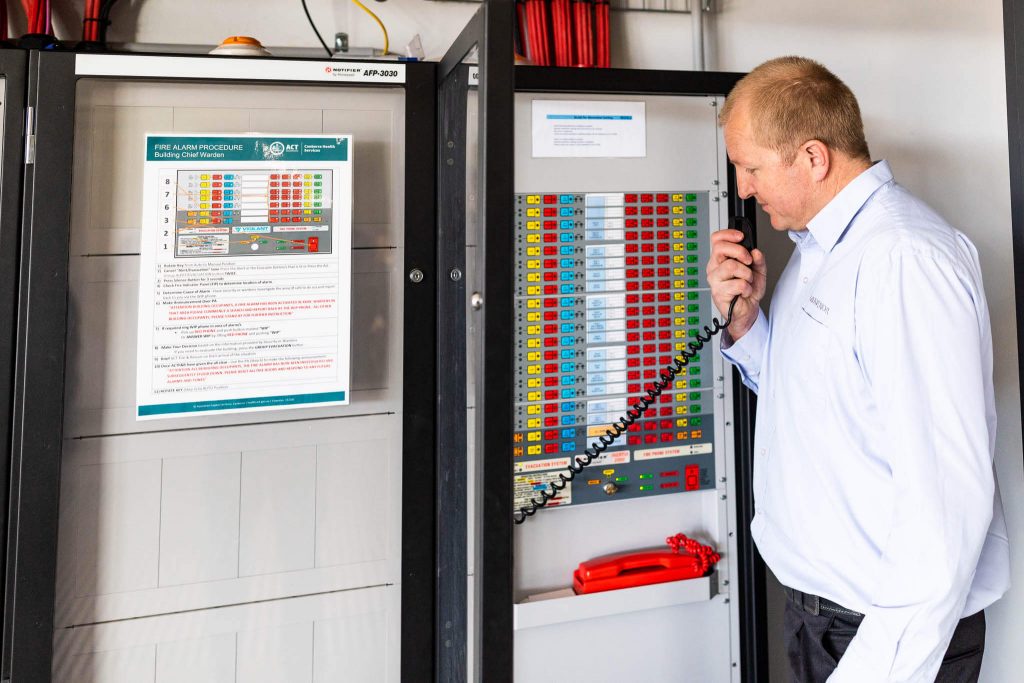
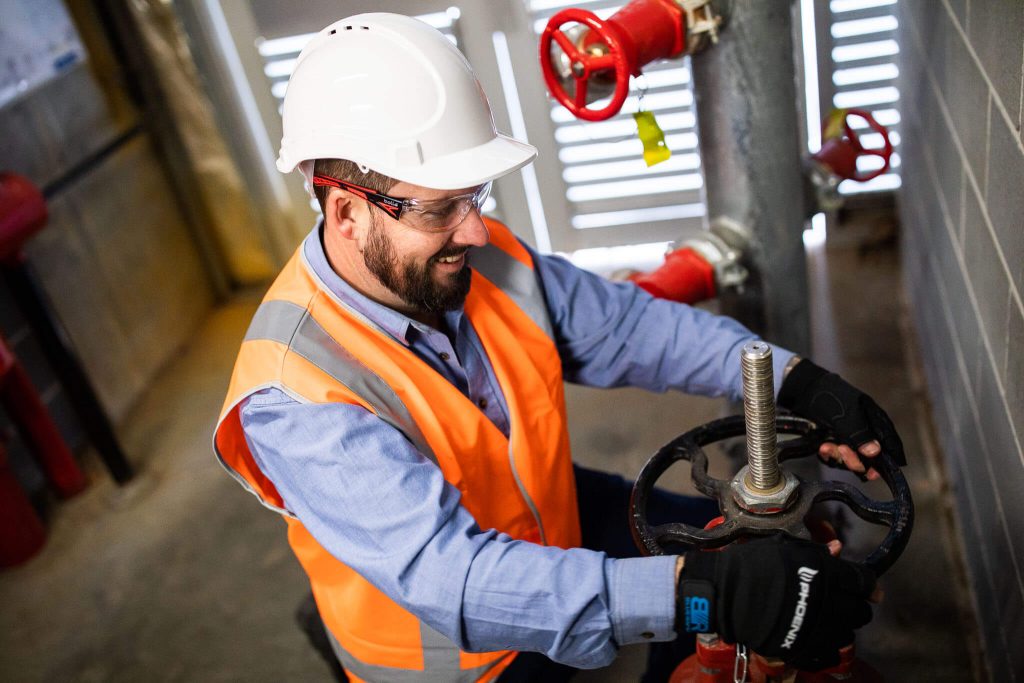
AS1851 maintenance requires inspections and testing to ensure fire safety measures are operating as per their intended design. Fire protection systems testing requires technicians simulate a fire event to ensure the functionality of these systems.
3) Systems Interface Testing
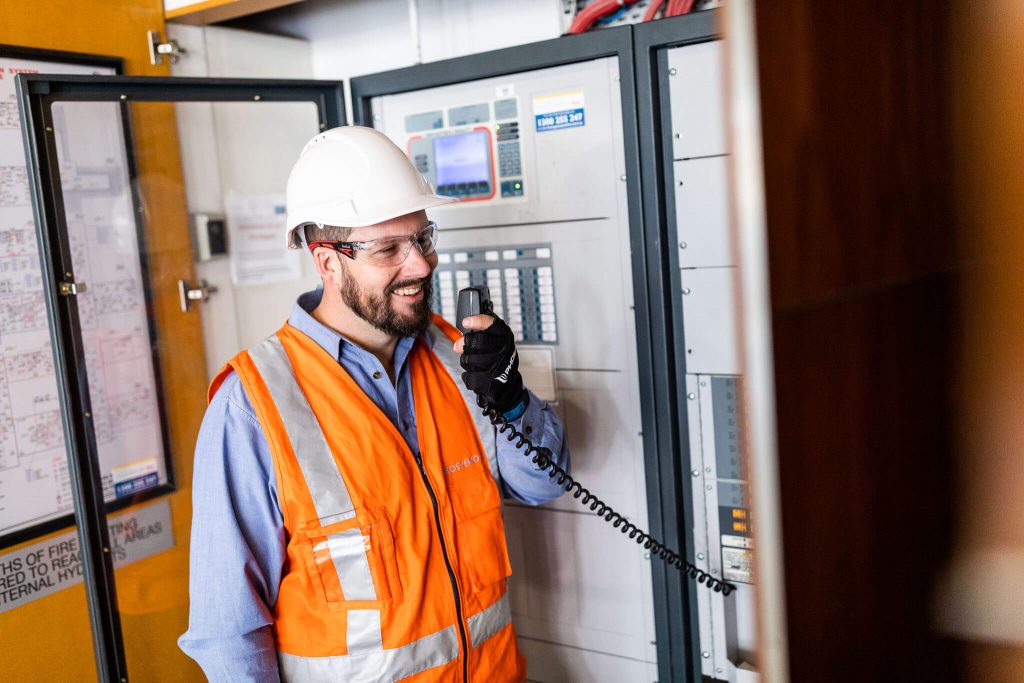
Many buildings require fire protection systems to integrate with other types of building services in the event of a fire. These integrations allow for safe egress from the building in the event of a fire or other emergencies. These can be as simple as a door releases on exit doors to complex smoke management systems.
For example, in a high-rise building, fire protection systems would need to shut down lifts, control stair pressurisation or stop air conditioning units spreading smoke.

4.) Defects & Repairs
The identification and rectification of fire safety measures compliance issues is crucial to mitigate fire problems.
5) Endorsement
The appropriate authority for each state tests fire safety measures have been inspected, surveyed and perform as required by the approved design. Legislative obligations for AS1851 maintenance for each state are listed below:
NSW
Building Act:
Environmental Planning and Assessment Act 1979
Building Regulation:
Environmental Planning and Assessment Regulations 2000
Annual Compliance Certificate:
Annual Fire Safety Statement (AFSS) Measure: Essential Fire Safety Measures
In New South Wales it is a requirement for the fire safety system to be submitted annually to the local Council and the NSW Fire Brigade to prove essential fire safety measures within a building have been maintained to Australian Standards and Regulations over the past 12 months as installed.
ACT
Building Act:
Emergencies Act 2004
Building Regulation:
ACT Fire Brigade Policy FS-05 – Essential Safety Maintenance
Measure:
Active Fire Safety Systems and/or Essential Services
In the Australian Capital Territory under the Australian Standards and Work Health and Safety Regulations, it is the responsibility of the owner to ensure active fire safety systems are maintained as required.
NT
Building Act:
Fire and Emergency Act
Building Regulation:
Fire and Emergency Regulations
Measure:
Building Fire Safety Measures
In the Northern Territory a Yearly Condition Report must be made available within 48 hours for inspection in accordance with AS1851.
QLD
Building Act:
Fire Services 1990
Building Regulation:
Building Fire Safety Regulations 2008
Annual Compliance Certificate:
Occupier’s Statement
Measure: Fire Safety Installations
In Queensland it is a requirement for the occupier’s statement to be submitted annually to the Fire Services Commissioner by the owner or occupier to show fire safety installations within a building have been maintained to Australian Standards and Regulations over the past 12 months.
SA
Building Act:
Development Act 2004
Building Regulation:
Development Regulations 1993 and Ministers Specifications South Australia 76
Annual Compliance Certificate:
Schedule 16, Form 3
Measure:
Fire Safety Provisions
In South Australia it is a requirement for the Form 3 to be submitted annually to the local building authority to show essential safety provisions within a building have been maintained to Australian Standards and Regulations over the past 12 months in accordance with Essential Safety Provisions Schedule 16 Form 1.
TAS
TAS Building Act:
Building Act 2000
Building Regulation:
Building Regulation 2004 amended 2013
Annual Compliance Certificate: N/A
Measure: Essential Safety and Health Measures
In Tasmania it is the responsibility of the owner to ensure all essential safety and health features/measures are maintained and serviced to the current regulations as per the building’s design. A Safety Measures Report may be issued on an annual basis to ensure Australian Standards and Regulations are being met.
Fire compliance matters. Compliance requirements vary significantly for each state. If you would like to speak to a highly qualified fire protection specialist about your building requirements call us today on 1300 255 247.